Will Las Vegas Home Prices Go Down in 2026?
Real estate decisions in a fast-moving market demand a clear-eyed look at the actual numbers. Buyers constantly wonder about the future trajectory of Las Vegas home prices. Speculation often drives purchasing timelines, but successful transactions rely entirely on concrete data. This analysis walks through inventory metrics, days on market, and localized pricing trends so you can stop guessing about where the housing sector is headed. Understanding the specific variables that drive value is the most reliable way to protect your financial interests.
Many prospective buyers have waited on the sidelines hoping for a drastic market correction to arrive this year. Real estate markets rarely move according to popular sentiment or wishful thinking alone. Success comes from examining the underlying supply and demand fundamentals that dictate property values in our specific region. By reviewing the local data for 2026, we can remove the emotion from the equation and focus on actionable intelligence. A strategic approach ensures a transition that protects both your current lifestyle and your long-term wealth building goals.
Table of Contents
- Understanding Las Vegas Home Prices
- How 2026 Inventory Shapes the Market
- Analyzing Days on Market Trends
- Regional Variations in Property Value
- Strategic Planning for Buyers
- Navigating the Market as a Seller
- Frequently Asked Questions
Understanding Las Vegas Home Prices
The conversation around Las Vegas home prices often lacks the necessary nuance required for smart investing. Media headlines tend to paint broad strokes that do not reflect the reality on the ground in specific local neighborhoods. The 2026 data indicates a stabilization phase rather than a sudden depreciation of asset values. Homes that are properly maintained and updated continue to hold their ground in competitive districts. It is crucial to look past national averages and focus exclusively on the dynamics within the Las Vegas Valley.
Historical context provides a necessary baseline for understanding our current pricing environment. Over the past several years, the region experienced significant appreciation driven by high demand and limited construction. While the explosive growth rates have moderated, the baseline values established during that period remain largely intact. For a deeper perspective on how these historical shifts might affect your specific asset, evaluating year over year property valuations is a critical step. Market maturity often looks like flattening prices, which should not be mistaken for a market crash.
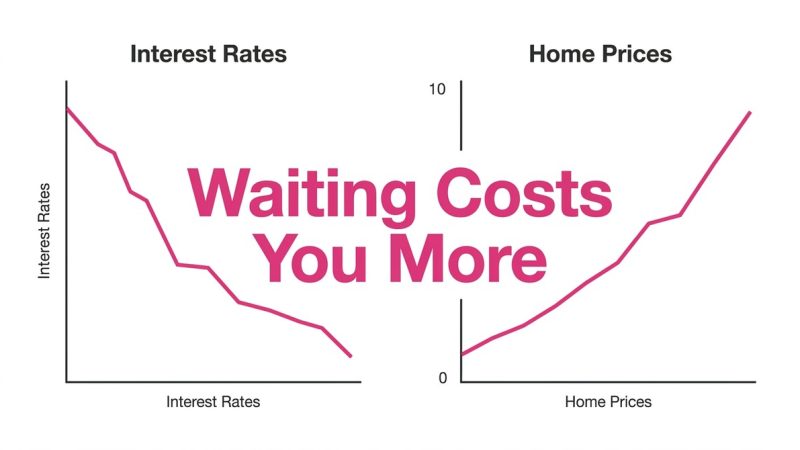
Buyers looking for steep discounts may find themselves disappointed by the resilience of the local market. Sellers are generally in strong equity positions and are not forced to liquidate their properties at a loss. This fundamental financial stability among homeowners prevents the kind of distress sales that typically drag median prices downward. The local economy continues to diversify, bringing new residents who require housing and thereby sustaining baseline demand. Therefore, banking on a significant price drop as a primary purchasing strategy carries substantial risk.
How 2026 Inventory Shapes the Market
Inventory levels serve as the most accurate leading indicator for future price movements in any real estate environment. The total number of active listings in the Las Vegas Valley has shown only a modest increase throughout early 2026. We are currently operating with approximately a three-month supply of homes, which still technically favors the seller side of the equation. A balanced market typically requires a five to six-month supply of available properties. Until that threshold is crossed, downward pressure on pricing will remain relatively weak.
New construction plays a vital role in addressing the housing shortage, but builders are managing their project releases very carefully. Developers are acutely aware of holding costs and are deliberately matching their output to current buyer demand. This measured approach prevents the sudden flooding of the market with new units that could destabilize existing home values. For those interested in the higher end of the spectrum, tracking luxury property trends reveals similar constraints on premium inventory. High demand for quality construction continues to outpace the rate of new development completions.
The structural deficit in housing supply means that well-positioned properties will continue to attract serious attention. Buyers must recognize that limited options require decisive action when the right property becomes available. Waiting for inventory to double or triple is an unlikely scenario given current zoning and construction timelines. Properties simply do not remain unpurchased when they meet the strict criteria of today’s discerning purchasers. A clear-eyed look at the numbers confirms that scarcity will remain a defining feature of the 2026 landscape.
Analyzing Days on Market Trends
Days on market (DOM) is a crucial metric that reveals the true pacing of buyer activity and seller expectations. In 2026, we have observed a slight but noticeable increase in the average time it takes to secure an accepted offer. Homes are now sitting for an average of thirty-five to forty days before going under contract. This represents a healthy normalization compared to the frantic weekend bidding wars seen in previous cycles. Buyers now have a brief window to conduct proper due diligence without the pressure of immediate, unconditional decisions.
This extension in market time does not automatically translate to lowered seller expectations or reduced property values. It simply reflects a more deliberate consumer base that is carefully weighing financing costs against long-term lifestyle needs. Buyers are rightfully taking the time to schedule second showings and thoroughly review inspection reports. Sellers who mistake this normal pacing for a lack of interest often make premature and unnecessary price reductions. Patience has become a required virtue for all parties involved in a transaction this year.
Understanding the DOM data provides a distinct advantage during the negotiation phase of a purchase. A property that has surpassed the forty-day mark may present an opportunity for buyers to request reasonable concessions. However, properties that are newly listed and accurately positioned will still command premium offers almost immediately. It is essential to tailor your negotiation strategy based on the specific timeline of the individual listing. Applying a one-size-fits-all approach to properties with different market tenures will lead to missed opportunities.
Regional Variations in Property Value
The Las Vegas Valley is a collection of distinct micro-markets, each responding differently to broader economic forces. Applying a single market forecast to the entire region ignores the unique variables that drive value in specific neighborhoods. Master-planned communities with robust amenities often resist price softening far better than areas lacking organized infrastructure. Relocating buyers specifically seek out these managed environments for their predictability and established community standards. Therefore, an analysis of regional variations is mandatory for any serious real estate endeavor.
Consider the differences between the southern and western edges of the valley. Areas experiencing rapid commercial and infrastructural development tend to see a steady appreciation in residential property values. For example, exploring rapid expansion in Henderson highlights how corporate relocations and new retail centers bolster local demand. Conversely, fully built-out neighborhoods rely more on the turnover of existing residents rather than the influx of new development. Recognizing these distinct growth phases allows buyers to target areas that align with their specific appreciation timelines.
The western rim of the valley continues to demonstrate remarkable resilience regarding property valuations. High-quality schools, elevated topography, and proximity to natural recreation create a permanent baseline of desirability. By understanding the appeal of Summerlin, investors can see why certain zip codes maintain their premium status regardless of minor market fluctuations. Buyers targeting these prime locations must accept that significant price drops are highly unlikely due to structural scarcity. Protecting your financial interests means investing in locations with proven historical stability.
Strategic Planning for Buyers
Moving across borders or even across state lines involves complex logistics that deserve careful attention and planning. Buyers entering the 2026 market must prioritize strict financial preparation before beginning their property search. Securing fully underwritten loan pre-approval is the only way to demonstrate credibility to a prospective seller. The current environment does not tolerate casual browsing when it comes time to submit a competitive offer. Every detail matters when the goal is a seamless transition into a new community.
Focusing on the long-term utility of a property is far more important than attempting to perfectly time the market bottom. Real estate builds wealth through sustained equity growth over time, not through short-term speculative flipping. Buyers should evaluate potential homes based on how well the property serves their daily lifestyle and functional requirements. If a home meets your logistical needs and fits comfortably within your budget, the exact month of purchase becomes a secondary concern. Deliberate strategy always outperforms hesitant guessing.
Navigating the Market as a Seller
Properties do not just sell; they are positioned for the right audience through deliberate strategy and highly accurate pricing. Sellers in 2026 must recognize that buyers are incredibly educated and hyper-aware of current valuation metrics. Aspirational pricing strategies that ignore recent comparable sales will cause a property to stagnate on the market. Achieving the highest return depends on a refined approach that highlights a home’s true competitive edge. Professional staging and flawless digital presentation are no longer optional if you want to secure top dollar.
The financial consequences of misreading the market can be severe for homeowners attempting to sell. A property that sits unsold for months eventually becomes stigmatized, leading buyers to assume there are underlying physical defects. By calculating the hazards of incorrect pricing, sellers can avoid the trap of chasing the market downward. Initial pricing must be sharp, defensible, and supported by concrete empirical evidence. Working with an expert who provides concise, data-backed recommendations is the best way to ensure a profitable and timely closing.
Frequently Asked Questions
Are home prices dropping significantly right now?
The local data shows that prices are stabilizing rather than experiencing significant drops. While the rapid appreciation of past years has cooled, current inventory constraints keep values relatively firm. Buyers waiting for a massive correction may find themselves continually disappointed by the market’s resilience. It is better to base your purchasing decisions on personal readiness rather than speculative market timing.
How does the current inventory affect my buying strategy?
With only about a three-month supply of homes available, the market still technically leans in favor of the seller. This means you must be prepared to act decisively when a quality property hits the market. Having your financing fully secured and understanding your precise criteria are mandatory steps for success. Limited inventory requires a highly targeted and aggressive approach to property acquisition.
Is it still a good time to sell my property?
Selling remains highly profitable for owners who take a strategic and data-driven approach to their listing. Because inventory remains constrained, well-presented homes command strong attention from serious buyers. The key to success is accurate initial pricing and aggressive, professional marketing. Sellers who align their expectations with the current data will experience a smooth and lucrative transaction.