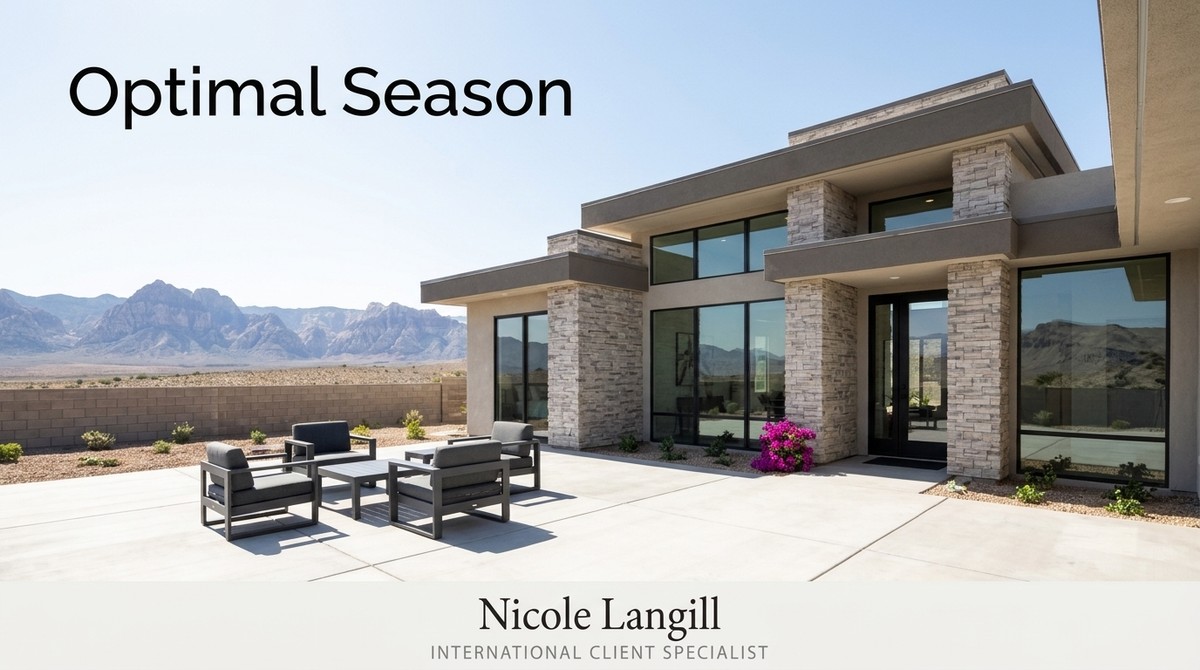
The Optimal Season to Sell a House in Las Vegas
Real estate decisions in our current market require more than just enthusiasm. They demand a clear-eyed look at the numbers and seasonal trends. Success comes from understanding the specific variables that drive value in each unique neighborhood. When you decide to sell a house in Las Vegas, timing becomes a critical financial variable. Accurate pricing and deliberate positioning depend entirely on current buyer traffic and inventory levels.
The local climate and corporate relocation schedules heavily influence the desert real estate market. Properties do not just sell by accident. They are positioned for the right audience through deliberate strategy. Achieving the highest return depends on a refined approach that highlights a home’s true competitive edge. Sellers must evaluate historic market data to select their optimal listing window.
Table of Contents
The Spring Market Surge
Spring consistently delivers the highest volume of traditional buyer traffic across the Las Vegas Valley. Families prefer to secure new housing before the upcoming school year begins. The pleasant desert weather creates ideal conditions for open houses and private showings. Days on market typically decrease during these months as competition among buyers intensifies. Sellers who list in March or April often encounter multiple offers if their property is priced correctly.
Landscaping looks its best during the spring months. Natural light enhances interior spaces and makes professional photography stand out. Buyers feel more motivated to explore different neighborhoods when temperatures remain moderate. You can review key insights for selling a Las Vegas home to better understand current market preparations. A well-prepared property listed in spring captures peak buyer attention.
Summer Dynamics and Relocation Traffic
Summer heat undeniably changes buyer behavior and showing logistics. Showings must be scheduled for early mornings or late evenings to ensure buyer comfort. Despite the rising temperatures, serious relocation buyers remain highly active during June and July. Moving across borders or even across state lines involves complex logistics that peak during summer vacation months. Corporate transfers frequently occur mid-year, bringing qualified buyers directly to the local market.
Vacationers visiting the city often use summer trips to scout potential investment properties. These buyers have limited time windows and make swift purchasing decisions. Sellers must ensure their air conditioning systems function flawlessly during all viewings. Understanding the relocation mathematics for out-of-state buyers helps sellers target this specific demographic. Proper climate control inside the home becomes a major selling feature.
The Fall Market Rebound
Autumn offers a reliable second peak for the local real estate market. Temperatures cool down significantly by October, bringing local buyers back out in force. Individuals who missed out on purchasing during the competitive spring season return with renewed focus. Inventory levels often tighten as the year progresses, giving active sellers a distinct advantage. Buyers are highly motivated to close transactions before the upcoming holiday season begins.
The fall market attracts empty nesters and retirees looking for primary or secondary residences. These demographics appreciate the milder weather for conducting thorough property inspections. Highlighting outdoor living spaces becomes highly effective during this temperate season. Sellers should focus on cleaning up landscaping debris and ensuring exterior lighting is optimal. A pristine exterior presentation secures premium offers during the autumn months.
Winter Strategies for Serious Buyers
Winter brings fewer total listings to the market, resulting in reduced competition for active sellers. While overall foot traffic decreases, the buyers touring homes in December and January demonstrate extremely high intent. Holiday season buyers are typically forced to move due to job relocations or life changes. Every detail matters when the goal is a transition that protects both your lifestyle and your financial interests. A well-presented home during the winter can command top dollar due to inventory scarcity.
Strategic staging plays a crucial role during the darker winter months. Interior lighting must be maximized to create a warm and inviting environment. Sellers should remain flexible with holiday showing schedules to accommodate out-of-town visitors. Reviewing the latest luxury market performance data provides context for winter pricing strategies. Accurate pricing remains the ultimate deciding factor for winter sales.
Beyond Seasonality Core Market Drivers
Seasonality represents just one layer of the complex local real estate equation. Interest rates and broader economic indicators frequently override traditional calendar trends. A sudden drop in mortgage rates can trigger a surge of buyer activity in the middle of winter. Conversely, rising rates might cool a typically hot spring market. Sellers must monitor macroeconomic factors alongside local historical data.
New commercial developments and infrastructure projects also drive localized demand spikes. Areas near newly announced sports facilities or medical centers see increased buyer interest regardless of the season. Working with a professional ensures you understand these hyper-local market shifts. Data-driven analysis prevents sellers from leaving money on the table. Comprehensive logistical support remains essential for navigating these shifting conditions.
Preparing Your Property for Maximum Value
Preparing a home for the market requires objective evaluation and targeted improvements. Personal attachments must be set aside to view the property through a buyer’s eyes. Fresh paint, updated fixtures, and professional deep cleaning yield the highest return on investment. Properties do not just sell on their own in a competitive environment. They require deliberate staging to highlight their architectural strengths and functional layout.
Professional photography and virtual tours are mandatory for attracting international and out-of-state buyers. Remote showings have become a standard requirement for corporate relocation clients. High-resolution media captures the attention of buyers scrolling through listings online. Minor repairs must be completed before the first showing to prevent buyer hesitation. A flawless initial presentation justifies a premium asking price.
The Importance of Strategic Pricing
Setting the correct initial listing price is the most critical component of a successful sale. Overpricing a home leads to extended days on the market and eventual price reductions. Buyers perceive price drops as a signal of hidden property defects or a desperate seller. You can read about the true cost of overpricing a property to avoid this common pitfall. The market responds favorably to homes priced accurately at current market value.
A refined approach to pricing analyzes recent comparable sales and active neighborhood competition. Adjustments must be made for unique property upgrades, lot positioning, and overall condition. The goal is to generate immediate interest and potential multiple-offer scenarios. Skilled negotiation then takes over to secure the most favorable terms. This disciplined methodology protects your long-term financial interests.
Frequently Asked Questions
How long does it typically take to sell a house in Las Vegas?
The timeframe depends heavily on the listing season and the initial pricing strategy. Properly priced homes during the spring market often go under contract within two to three weeks. Winter listings might require thirty to forty-five days to secure the right buyer. Unique luxury properties generally require a longer marketing period to reach qualified audiences.
Do I need to stage my home before listing?
Professional staging significantly improves a property’s visual appeal and perceived value. Vacant homes often appear smaller and less inviting in online photographs. Staging helps buyers visualize the functionality of each room and creates an emotional connection. The financial return on professional staging usually exceeds the initial investment.
Is it better to list before or after the holidays?
Listing before the holidays capitalizes on highly motivated buyers and low market inventory. Buyers active in December are typically serious purchasers rather than casual browsers. However, listing after the new year aligns with the beginning of the traditional spring market buildup. The optimal choice depends on your specific timeline and relocation requirements.
How do interest rates affect the optimal time to sell?
Interest rates directly impact buyer purchasing power and overall market demand. Lower rates can artificially extend the busy spring season deep into the summer months. High rates might require sellers to be more patient or more aggressive with their pricing strategy. Monitoring financial news alongside seasonal trends provides the most accurate market picture.
What repairs are mandatory before listing my property?
Sellers should address any outstanding safety issues, plumbing leaks, and roof concerns prior to listing. Cosmetic updates like neutral paint and modern lighting fixtures also deliver strong returns. Buyers prefer move-in ready homes and will heavily discount properties requiring immediate deferred maintenance. A pre-listing inspection helps identify hidden issues before buyers find them.