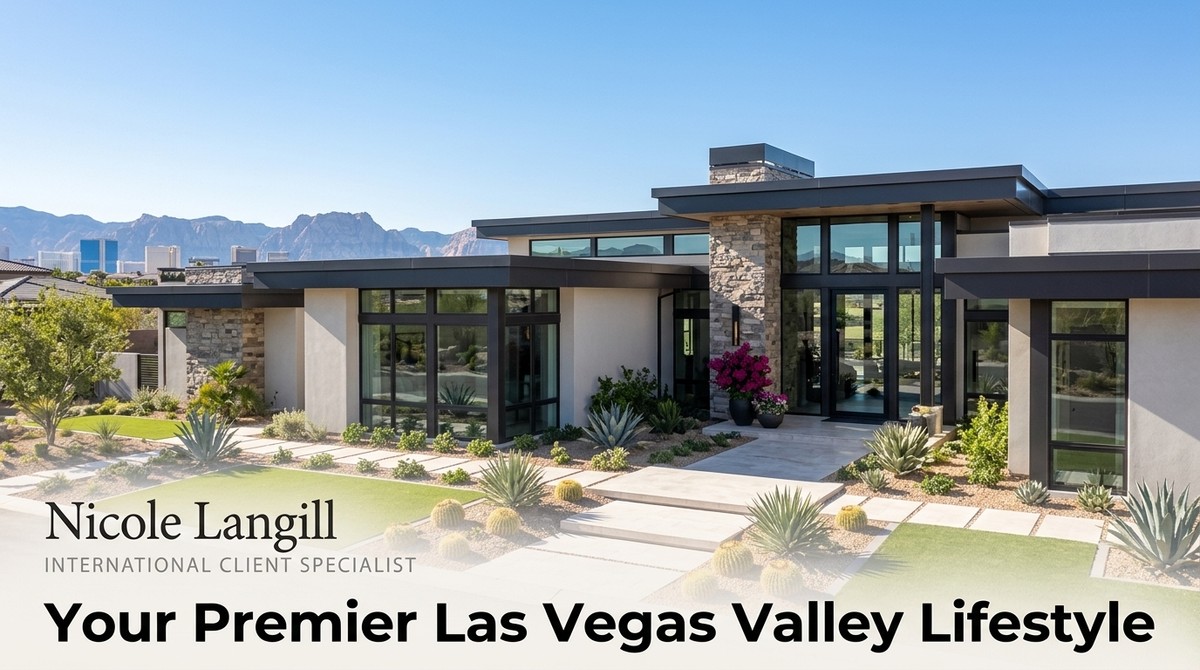
Navigating the Premier Las Vegas Valley Lifestyle
Table of Contents
- Defining the Las Vegas Valley Lifestyle
- Culinary Excellence Across the Valley
- Entertainment Beyond the Strip
- Outdoor Recreation and Natural Amenities
- Community Events and Resident Integration
- Strategic Relocation Logistics
- Market Value and Lifestyle Alignment
- Frequently Asked Questions
Transitioning into a new real estate market requires a comprehensive understanding of the local environment. The authentic Las Vegas valley lifestyle offers a unique blend of sophisticated dining, robust community events, and world-class entertainment tailored specifically for residents. Securing a property here involves more than analyzing square footage and price per square foot. It demands a careful evaluation of how a specific neighborhood aligns with your daily habits, professional requirements, and leisure preferences.
Defining the Las Vegas Valley Lifestyle
Embracing the Las Vegas valley lifestyle means participating in a dynamic and rapidly evolving community ecosystem. Regions like Summerlin, Henderson, and Boulder City operate as distinct micro-markets with their own cultural signatures. For those moving from out of state, mastering the geographic and social layout is a critical first step. You can begin this process by reviewing our comprehensive relocation breakdown for incoming residents to streamline your transition. Each master-planned community is designed to keep essential services, recreational facilities, and social hubs within a minimal radius.
This strategic urban planning ensures that residents spend less time commuting and more time engaging with their immediate surroundings. Properly evaluating these micro-markets requires examining the infrastructure that supports daily living. Buyers must look at the proximity of specialized grocery stores, medical facilities, and community centers. These factors directly influence both your quality of life and the long-term appreciation potential of your home. A successful acquisition balances financial logic with tangible lifestyle benefits.
Culinary Excellence Across the Valley
The local dining scene has matured far beyond the boundaries of the main tourist corridors. Neighborhoods across the region now host elevated culinary concepts that rival major coastal cities. Residents in the western suburbs frequently patronize locally owned bistros and chef-driven restaurants that cater specifically to the local demographic. Exploring the commercial centers in these areas reveals a sophisticated palate and a high demand for premium dining experiences. If you are targeting the western edge of the city, reading our detailed analysis of the Summerlin quadrants will help you identify the specific commercial zones that match your culinary preferences.
In the southern and eastern sectors, the food landscape reflects a diverse and rapidly expanding population. New restaurant syndicates consistently choose these residential zones to launch innovative dining concepts before expanding nationally. This influx of high-quality dining establishes strong commercial anchors that support residential property values in the surrounding blocks. Buyers who prioritize walking access or short drives to premium dining should focus their search on these emerging culinary hotspots. Tracking restaurant development often provides a reliable leading indicator of neighborhood appreciation.
Entertainment Beyond the Strip
World-class entertainment in this region is entirely accessible without navigating heavy tourist traffic. The development of major professional sports franchises has fundamentally altered the recreational landscape for permanent residents. Stadiums and arenas located just off the main corridors provide year-round access to hockey, football, and championship events. These venues serve as central gathering points that foster a strong sense of civic pride and community cohesion. Living within a convenient radius of these facilities often commands a premium in the current housing market.
Performing arts and cultural institutions also anchor the local entertainment offerings for sophisticated residents. Dedicated performing arts centers host Broadway productions, symphony orchestras, and international ballet companies on a regular schedule. The presence of these cultural touchstones is a key factor for buyers seeking a cosmopolitan environment within a desert setting. Identifying homes that offer streamlined access to these venues requires localized knowledge and careful strategic planning. Evaluating these geographic advantages ensures your property choice supports a vibrant and engaged daily life.
Outdoor Recreation and Natural Amenities
A critical component of the local lifestyle involves the extensive network of outdoor recreational spaces available to residents. The surrounding topography offers hundreds of miles of paved walking trails, dedicated cycling lanes, and rugged hiking paths. These natural amenities are carefully integrated into the master plans of the most desirable residential sectors. Proximity to protected conservation areas allows residents to transition from a corporate environment to a natural setting in a matter of minutes.
Golf course communities represent another significant segment of the local real estate market. These enclaves provide pristine landscaping, exclusive clubhouse amenities, and high-level security protocols. Evaluating the initiation fees, monthly dues, and membership structures of these clubs is a necessary step for luxury buyers. A rigorous financial analysis ensures that the chosen club aligns with both your recreational habits and your long-term investment strategy. Homes located on or immediately adjacent to premium courses consistently attract highly qualified buyers when it is time to sell.
Community Events and Resident Integration
Integration into a new neighborhood accelerates when residents actively participate in localized community events. Master-planned developments frequently organize seasonal festivals, weekly farmers markets, and outdoor concert series. These curated gatherings provide excellent networking opportunities and allow new arrivals to build strong local connections. The frequency and quality of these events often reflect the overall health and engagement level of the homeowner association.
For buyers exploring specific enclaves, understanding the community calendar is a practical way to gauge neighborhood culture. Areas with highly active event schedules tend to maintain stronger property values due to elevated resident retention. If you are considering the southeastern valley, our overview of Henderson residential communities highlights neighborhoods known for their robust social programming. Investing in a highly engaged community provides a layer of stability to your real estate portfolio.
Strategic Relocation Logistics
Moving across borders or even across state lines involves complex logistics that demand careful attention. Establishing residency in a new climate and a unique housing market requires a structured approach to the acquisition process. Buyers must coordinate financing, insurance, and property inspections with professionals who understand the specific variables of this region. Working with an expert who provides concierge-level service mitigates the inherent risks of a long-distance transition.
Remote showings and virtual tours have become standard tools for international and out-of-state buyers. These technologies provide a transparent and objective view of prospective properties when utilized by a skilled professional. It is imperative to receive honest neighborhood assessments that go beyond superficial marketing materials. A data-driven approach to relocation protects your financial interests while ensuring your new home fully supports your anticipated daily routine. For ongoing insights into navigating these transitions, you can explore our comprehensive real estate resources.
Market Value and Lifestyle Alignment
Properties do not just sell on their structural merits; they are valued based on the lifestyle they facilitate. A home positioned near premier golf courses, extensive trail systems, or exclusive social clubs carries an intrinsic premium. Accurate pricing and strategic positioning in this market depend heavily on highlighting these external community features to the right audience. Sellers must quantify the value of their neighborhood amenities to achieve the highest possible return on their investment.
Achieving the best outcome means strictly defining your lifestyle requirements before beginning the search process. A refined approach filters out properties that may look good on paper but fail to deliver the desired daily experience. Complex logistics deserve careful attention to ensure the chosen neighborhood meets all expectations. Every detail matters when the goal is a transition that protects both your lifestyle and your financial interests.
Frequently Asked Questions
Navigating a new market often generates specific questions about how local culture intersects with real estate. Below are several common inquiries regarding the integration of daily habits and property valuation. Understanding these dynamics is crucial for making an informed investment.
How does the local lifestyle impact property values?
Property values are intrinsically tied to neighborhood amenities, commercial anchors, and community engagement. Homes located near highly rated dining, entertainment venues, and active community centers consistently hold their value better during market shifts. Buyers are willing to pay a premium for convenience and a structured social environment.
Are there family-oriented events in the region?
Master-planned communities organize numerous family-oriented events throughout the calendar year. Weekly farmers markets, holiday parades, and outdoor movie nights are standard features in most major suburban developments. These events are designed specifically for residents and operate entirely separate from the tourist corridors.
What is the best way to evaluate a neighborhood before buying?
The most effective strategy is to review the master plan of the specific community and visit local commercial centers during peak hours. Analyzing the proximity of essential services and cultural venues provides a clear picture of the daily resident experience. Consulting a local market expert ensures you receive objective data regarding neighborhood appreciation and future commercial development.