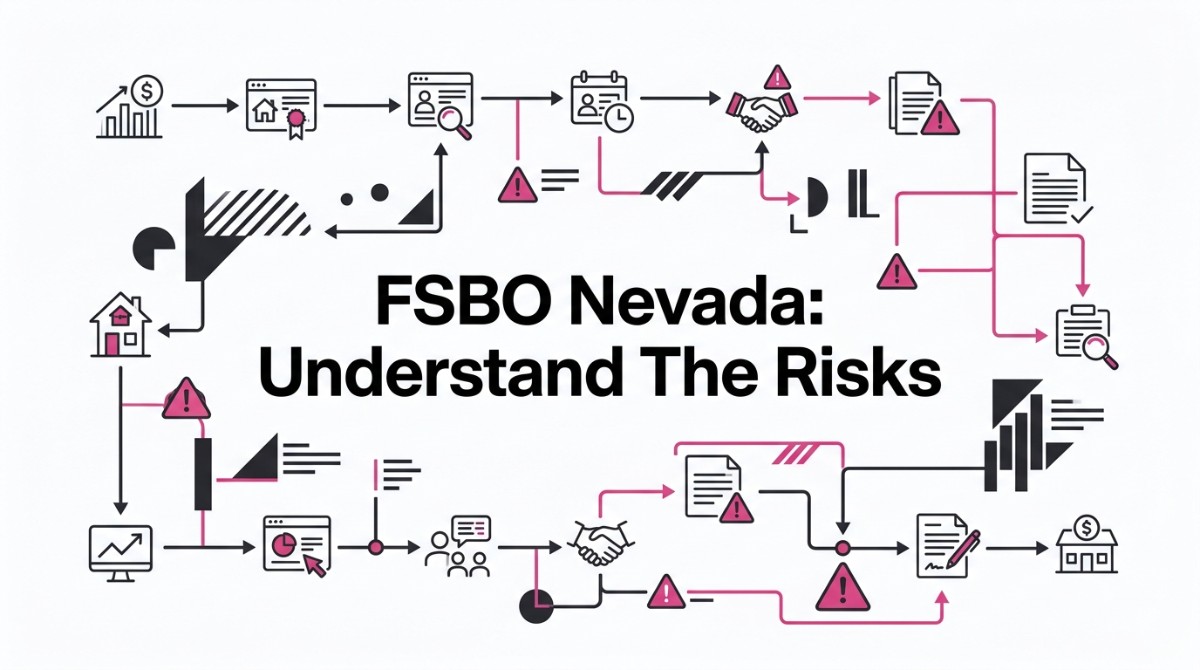
The For Sale By Owner Nevada Checklist and Real Risks
Taking on the real estate market yourself is a monumental decision that requires more than just planting a sign in your front yard. As a property owner considering the for sale by owner Nevada route, you must be prepared for a highly complex transaction. Every choice you make will directly impact your financial future and the stress levels you experience along the way. While the idea of saving on agent commissions sounds fantastic initially, the reality of managing a sophisticated legal and financial process is entirely different.
My role is to distill complex market dynamics into actionable insights so you can navigate the landscape with confidence. If you are determined to navigate this path alone, you need a meticulous plan to protect your interests and your equity. This comprehensive guide will walk you through exactly what selling on your own actually takes and where it tends to go wrong for inexperienced sellers. We will explore every critical angle to ensure you understand the true demands of a successful real estate transaction.
Why For Sale By Owner…
The primary motivation for most sellers who choose to list their property independently is the preservation of equity. By eliminating the listing agent commission, homeowners often believe they will walk away with thousands of extra dollars at the closing table. This prospect is incredibly enticing in a competitive market where property values have steadily increased. Sellers also appreciate the idea of having absolute control over showing schedules, negotiation tactics, and the overall pace of the transaction.
However, this perceived level of control often masks the severe demands placed on the unrepresented seller. Managing a property listing requires a massive investment of time, energy, and industry knowledge that most homeowners simply do not possess. Without a dedicated professional to filter out the noise, you become the direct point of contact for every buyer, agent, and inspector. It is essential to weigh these heavy operational burdens against the theoretical financial savings before making your final decision.
The Ultimate Seller Preparation Checklist
Successfully selling a home independently demands a rigorous approach to preparation and market readiness. You cannot simply list a property online and expect highly qualified buyers to start placing aggressive offers. A strategic action plan is required to capture attention, justify your asking price, and navigate the escrow process smoothly. The following checklist outlines the non-negotiable phases of an independent real estate transaction.
Accurately Pricing Your Investment
Establishing the correct asking price is the single most critical factor in a successful property sale. You must conduct a thorough comparative market analysis to evaluate recent sales of similar homes in your immediate neighborhood. Relying on automated online valuation tools is a dangerous strategy because these algorithms cannot account for your home’s unique upgrades or specific location nuances. To avoid the dangers of overpricing your property, you must analyze the data objectively and remove all emotional attachment from the equation.
If you price the home too high, it will stagnate on the market and become stale to prospective buyers. Conversely, pricing it too low means you are leaving hard-earned equity on the table. Many unrepresented sellers eventually have to reduce their prices drastically after weeks of inactivity. Striking the perfect balance requires an intimate understanding of current market conditions and buyer psychology.
Staging and Preparing the Property
First impressions dictate buyer behavior, which means your property must be presented in absolute immaculate condition. You will need to depersonalize the space, remove clutter, and potentially invest in professional staging services to highlight the floor plan. Minor repairs that you have ignored for years, such as leaky faucets or scuffed paint, must be addressed before the first showing. Buyers are incredibly discerning, and they will use any visible defect as leverage to negotiate a lower purchase price.
Curb appeal is equally vital since it sets the tone before a prospective buyer even walks through the front door. Landscaping should be pristine, the exterior must be clean, and the entryway should feel welcoming and secure. You must walk through your property with a highly critical eye, acting exactly as a skeptical buyer would. This level of preparation is an exhausting but necessary component of the overall sales strategy.
Executing a Comprehensive Marketing Plan
In today’s digital age, exceptional marketing goes far beyond placing an advertisement in the local newspaper. You must invest in high-quality professional photography, virtual tours, and targeted online campaigns to reach serious buyers. Understanding effective real estate marketing campaigns will give you a significant advantage in a crowded marketplace. Furthermore, you will need to pay for access to the Multiple Listing Service through a flat-fee brokerage to ensure your property syndicates to major real estate platforms.
Hosting open houses and managing private showings will quickly consume your weekends and evenings. You must be prepared to answer probing questions about the neighborhood, the home’s mechanical systems, and the local school districts. Crafting compelling property descriptions that highlight unique architectural features requires excellent copywriting skills. Every piece of marketing collateral must project a premium image to attract premium offers.
Navigating Legal Disclosures and Contracts
The legal framework surrounding real estate transfers in Nevada is strict, complex, and designed to protect the consumer. You are required by law to complete a detailed Seller’s Real Property Disclosure form, documenting all known material defects. Failing to disclose an issue, whether intentionally or accidentally, can lead to severe legal consequences long after the sale closes. You must also understand the intricacies of purchase agreements, title commitments, and escrow instructions.
When an offer arrives, it will likely be written on a standardized contract by a licensed buyer’s agent. You must possess the ability to read and interpret complex legal jargon regarding appraisal contingencies, inspection periods, and financing clauses. Without professional representation, the burden of ensuring absolute legal compliance falls entirely on your shoulders. One misunderstood clause can completely derail the transaction and tie up your property in litigation.
The Real Risks of Selling Unrepresented
While the checklist above covers the logistical requirements, it barely scratches the surface of the inherent dangers involved. Selling a home without an expert advocate exposes you to financial vulnerabilities and significant emotional stress. Real estate is not just about transactions; it is about life’s pivotal moments, and getting it wrong can be devastating. Let us examine where independent sellers frequently encounter insurmountable obstacles.
Pricing Mistakes Can Cost You Thousands
Statistics consistently show that properties sold by owners typically net less money than those sold by experienced agents. This happens because unrepresented sellers often misread market trends and fail to position their homes strategically. Even if you save three percent on a listing commission, selling your home for ten percent below its true market value results in a massive net loss. The goal is to maximize your final payout, not just to avoid paying professional fees.
Buyers who target independently listed homes are often looking for a steep discount. They assume that since you are saving on commission, you should pass those savings directly onto them. This mindset immediately puts you at a severe disadvantage during the initial offer phase. Without a buffer between you and the buyer, defending your asking price becomes a highly personal and difficult battle.
Negotiating Blind Leads to Financial Loss
Negotiation is an art form that requires experience, tactical awareness, and an emotional detachment from the asset. When a buyer’s agent presents an offer, they are utilizing proven strategies to secure the best possible terms for their client. You will be negotiating against a seasoned professional whose sole objective is to protect their buyer’s interests. If you do not intimately understand the essential steps for selling your home, you will likely concede valuable ground.
The initial purchase price is only the first phase of a multi-tiered negotiation process. After the home inspection, buyers frequently demand extensive repairs or substantial financial credits. If the property fails to appraise at the contract price, you will face another round of intense renegotiation. An experienced agent anticipates these hurdles and builds strategic buffers, whereas unrepresented sellers are often caught completely off guard.
Facing Legal Liabilities and Lawsuits
Real estate transactions are highly litigious by nature, and unrepresented sellers are prime targets for post-closing lawsuits. If a buyer discovers a major plumbing issue or a roof leak after moving in, they will likely accuse you of intentional concealment. Professional agents carry specialized errors and omissions insurance, but as a private seller, your personal assets are fully exposed. The financial devastation of a single lawsuit can easily dwarf any commission savings you achieved.
Furthermore, keeping track of strict contractual timelines is a daunting administrative task. If you fail to deliver specific documents or respond to contingencies within the mandated window, you could inadvertently breach the contract. This breach could allow the buyer to walk away with their earnest money deposit while leaving your property stigmatized on the market. The margin for error is incredibly thin when managing legal deadlines independently.
Wasting Time with Unqualified Buyers
One of the most frustrating aspects of selling a home on your own is dealing with individuals who have no capacity to purchase. Without a rigorous vetting process, you will waste countless hours showing your home to curious neighbors and unqualified dreamers. Licensed professionals require pre-approval letters and proof of funds before scheduling a private tour. As a private seller, it is incredibly difficult to demand financial documentation from strangers without causing offense.
Security is another major concern when opening your home to the general public. You are essentially inviting unvetted strangers into your personal sanctuary, which poses a significant risk to your family and your belongings. Professional agents utilize electronic lockboxes and maintain detailed records of everyone who enters the property. Attempting to replicate this level of security on your own is both challenging and exhausting.
When to Partner with a Real Estate Expert
There is absolutely no guessing when it comes to securing your financial future through real estate. If reading through this comprehensive checklist feels overwhelming, it is a clear sign that professional representation is necessary. An expert agent brings a robust network, advanced marketing strategies, and aggressive negotiation skills to the table. We will explore every option together and craft a plan that truly serves your best interests.
Your property is likely your most valuable financial asset, and protecting its value should be your highest priority. By partnering with a seasoned professional, you shift the legal liability, the marketing expenses, and the daily stress off your shoulders. If you are ready to experience a seamless, concierge-level transaction that maximizes your final net profit, it is time to take action. Please feel free to contact Nicole Langill today to discuss a tailored strategy for your specific property.